
Introduction
The cell membrane plays a vital role in maintaining the internal environment of a cell. It acts as a protective barrier while allowing selective movement of substances in and out.
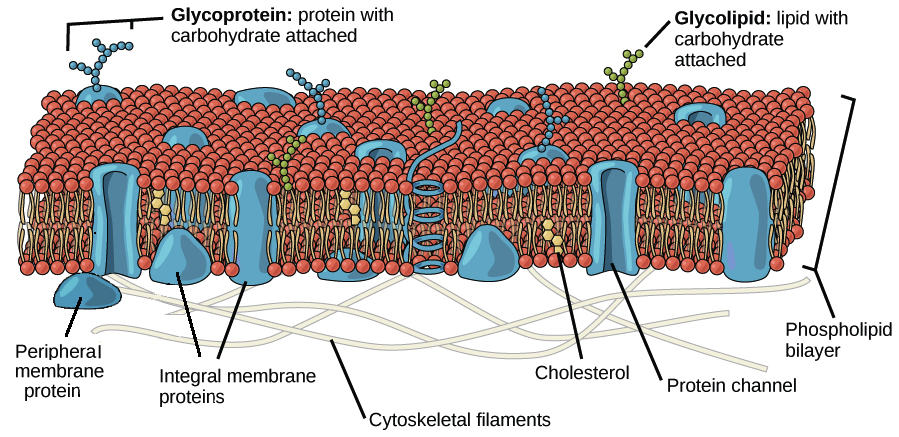
Structure of the Cell Membrane
The cell membrane is composed of a phospholipid bilayer with embedded proteins. This structure provides flexibility and selective permeability.
Functions of the Cell Membrane
- Protects the cell
- Maintains internal balance
- Controls entry and exit of substances
Types of Transport
1. Passive Transport
Occurs without energy:
- Diffusion
- Osmosis
- Facilitated diffusion
2. Active Transport
Requires energy (ATP) to move substances against their concentration gradient.
Importance of Transport Mechanisms
Transport processes allow cells to:
- Obtain nutrients
- Remove waste
- Maintain internal stability
Real-Life Significance
Cell transport is essential for maintaining life processes in all organisms.
Conclusion
The cell membrane and transport systems ensure that cells remain balanced and functional in changing environments.