
Introduction
Homeostasis is the process by which the body maintains a stable internal environment despite changes in external conditions. It is essential for survival and proper functioning.
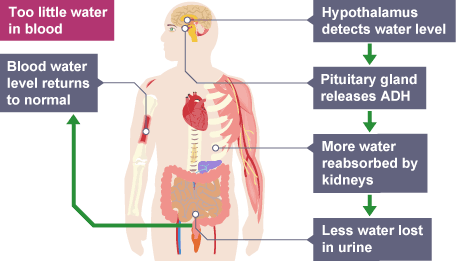
What is Homeostasis?
Homeostasis involves regulating factors such as temperature, pH levels, and fluid balance. The body constantly monitors and adjusts these factors to maintain stability.
Examples of Homeostasis
1. Temperature Regulation
The body maintains a stable temperature through mechanisms like sweating and shivering.
2. Fluid Balance
The body regulates water levels to ensure proper hydration and cellular function.
3. Blood Composition
The body maintains proper levels of nutrients and oxygen in the blood.
Role of Feedback Mechanisms
Homeostasis relies on feedback systems:
- Negative feedback (restores balance)
- Positive feedback (enhances processes temporarily)
Importance
Maintaining internal balance allows the body to function efficiently and adapt to changes.
Conclusion
Homeostasis is a vital concept in physiology, ensuring that the body remains stable and functional under varying conditions.