
Introduction
Human physiology is the study of how the human body functions. It focuses on the processes and systems that work together to maintain life. From breathing to circulation, every activity in the body is part of a complex and coordinated system.
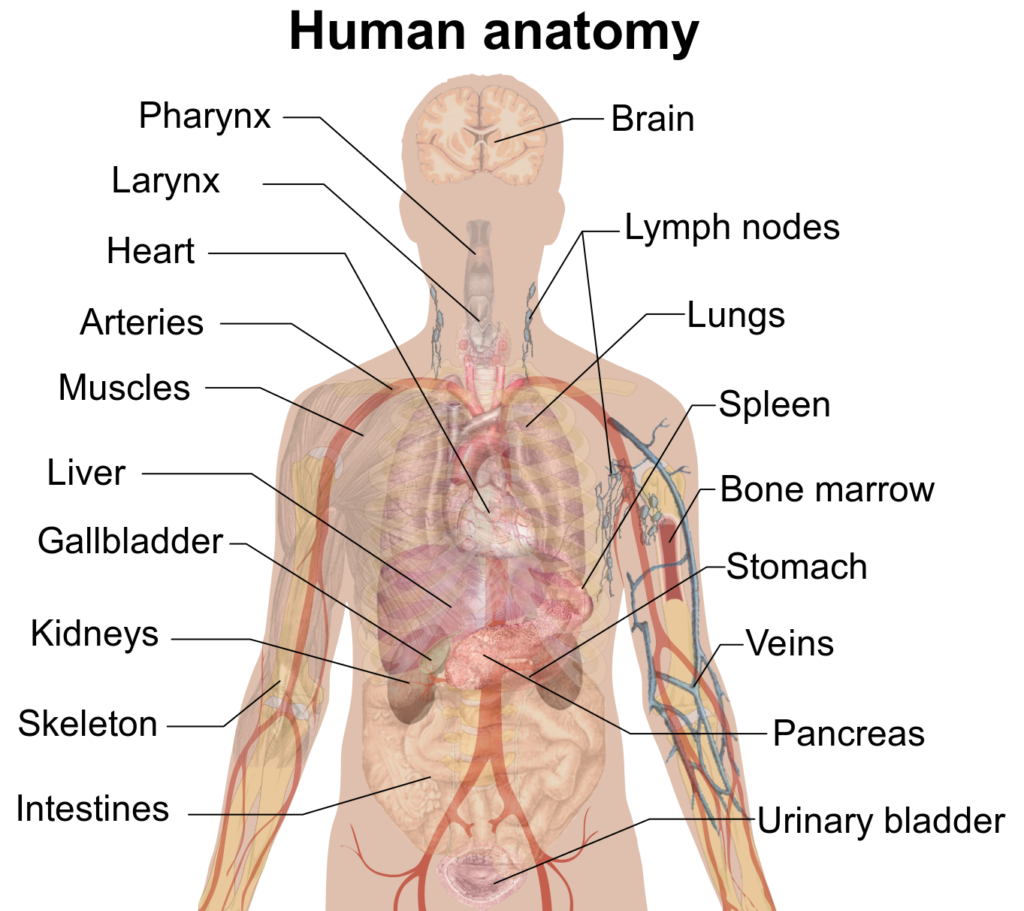
What is Human Physiology?
Human physiology examines how organs, tissues, and cells perform their roles. It explains how different systems interact to keep the body functioning properly.
Major Body Systems
1. Circulatory System
Responsible for transporting oxygen, nutrients, and waste throughout the body.
2. Respiratory System
Enables breathing and the exchange of gases like oxygen and carbon dioxide.
3. Digestive System
Breaks down food into nutrients that the body can use for energy and growth.
4. Nervous System
Controls body activities and helps respond to internal and external stimuli.
Coordination Between Systems
Each system works together to maintain balance and support overall function. This coordination ensures that the body adapts to different conditions effectively.
Importance of Physiology
Understanding physiology helps us learn how the body maintains stability and responds to changes in the environment.
Conclusion
Human physiology provides a comprehensive understanding of how the body works, forming the foundation for studying health and biological processes.