
Introduction
Metabolism refers to all the chemical reactions that occur within a living organism. These reactions are necessary for maintaining life and supporting cellular activities.
Types of Metabolism
1. Catabolism
Breaks down molecules to release energy.
2. Anabolism
Uses energy to build complex molecules.
Energy and ATP
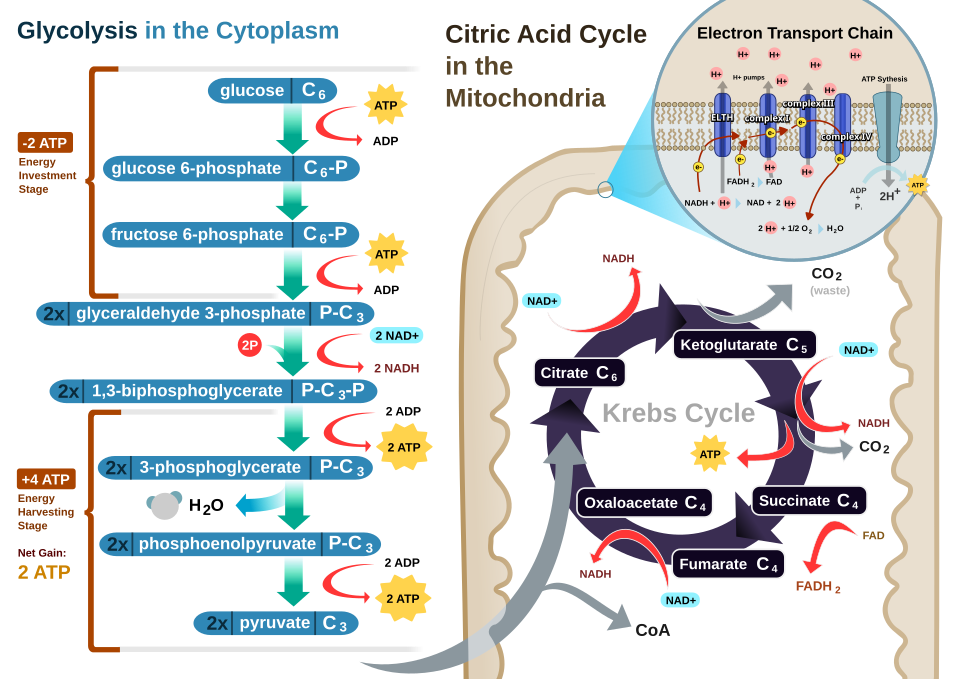
ATP (adenosine triphosphate) is the primary energy carrier in cells. It stores and transfers energy needed for biological processes.
Cellular Respiration
Cells produce energy through cellular respiration, which occurs in mitochondria. This process converts nutrients into usable energy.
Importance of Metabolism
Metabolism supports:
- Growth
- Repair
- Energy supply
Balance in Metabolic Processes
A balance between catabolism and anabolism is essential for maintaining normal cellular function.
Conclusion
Metabolism is the foundation of all biological activity, ensuring that cells have the energy needed to survive and function.