
Introduction
Enzymes are biological catalysts that speed up chemical reactions in living organisms. Without enzymes, many essential reactions would occur too slowly to sustain life.
What are Enzymes?
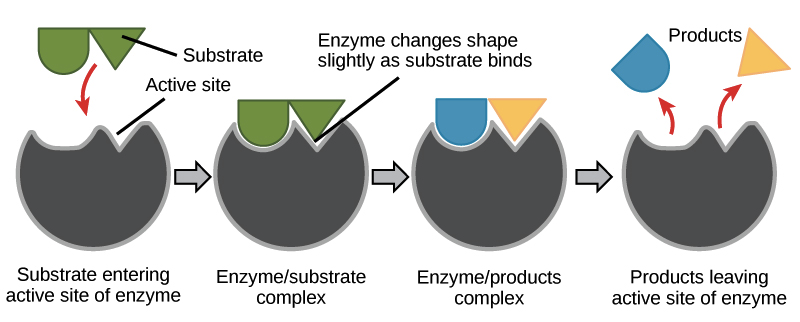
Enzymes are proteins that facilitate specific chemical reactions. Each enzyme is designed to act on a particular substrate, ensuring precision and efficiency.
How Enzymes Work
Enzymes bind to substrates at an active site, forming an enzyme-substrate complex. This interaction lowers the energy required for the reaction to occur.
Factors Affecting Enzyme Activity
- Temperature
- pH levels
- Substrate concentration
Types of Enzymes
- Digestive enzymes
- Metabolic enzymes
- Regulatory enzymes
Importance of Enzymes
Enzymes play a crucial role in processes such as:
- Energy production
- Breakdown of nutrients
- Cellular maintenance
Conclusion
Enzymes are essential for maintaining life, as they enable vital biochemical reactions to occur efficiently.