
Introduction
Biochemistry is the study of the chemical processes that occur within living organisms. It bridges biology and chemistry, helping us understand how molecules interact to support life. Every function in a living cell—from energy production to growth—relies on biochemical reactions.
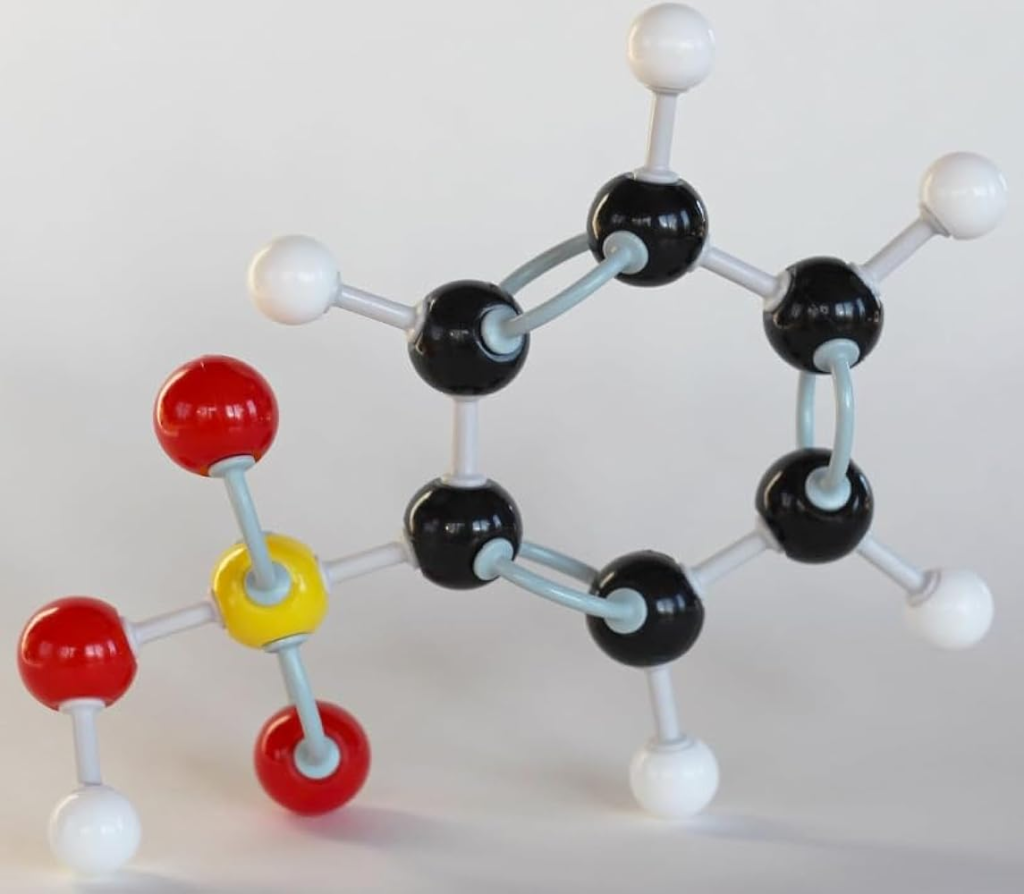
What is Biochemistry?
Biochemistry focuses on the structure, function, and interactions of biological molecules. These molecules include proteins, carbohydrates, lipids, and nucleic acids. Together, they form the foundation of all living systems.
Major Biomolecules
1. Proteins
Proteins are complex molecules made of amino acids. They perform a wide range of functions, including enzyme activity, structural support, and transport.
2. Carbohydrates
Carbohydrates serve as the primary source of energy for cells. They are broken down to release energy needed for cellular processes.
3. Lipids
Lipids are fats that store energy and help form cell membranes. They also play a role in insulation and protection.
4. Nucleic Acids
DNA and RNA are nucleic acids that store and transmit genetic information.
Chemical Reactions in Cells
Cells constantly carry out chemical reactions that are essential for life. These reactions include:
- Metabolism
- Energy production
- Synthesis of biomolecules
Importance of Biochemistry
Biochemistry helps us understand how cells function at a molecular level. It is essential for studying life processes and biological systems.
Conclusion
Biochemistry provides insight into how living organisms operate through chemical interactions, making it a fundamental area of life sciences.