
Introduction
Genetics is the branch of biology that studies how traits are passed from one generation to the next. It explains why individuals share similarities with their parents while still having unique characteristics. By understanding genetics, we can better explore how living organisms grow, develop, and function.
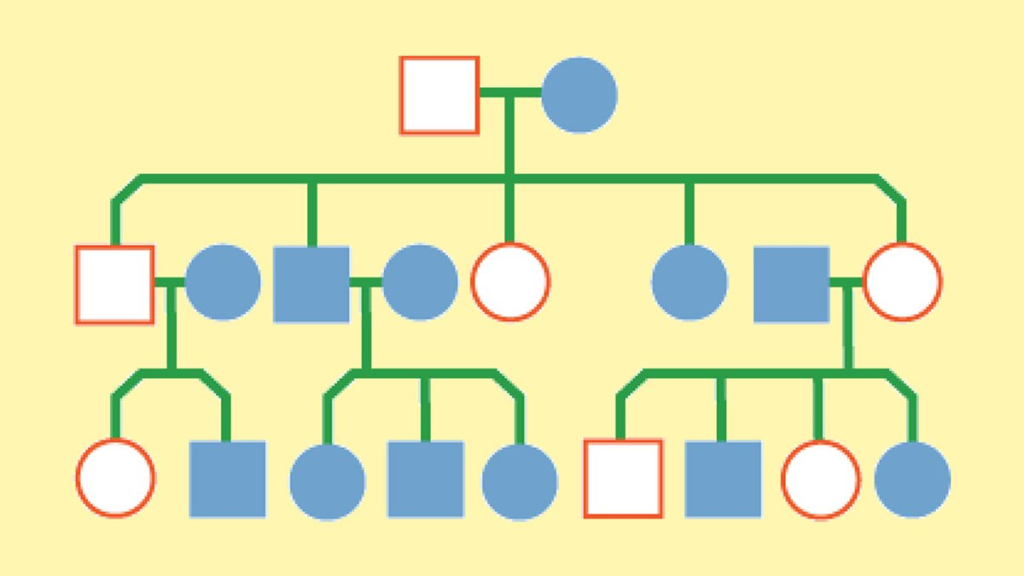
What are Genes?
Genes are segments of DNA that carry instructions for building proteins. These proteins determine various traits such as eye color, hair type, and physical features. Genes are located on chromosomes, which are found in the nucleus of cells.
Chromosomes and DNA
Chromosomes are thread-like structures made of DNA. Humans typically have 23 pairs of chromosomes, each containing thousands of genes. DNA serves as the blueprint for life, storing all the genetic information required for an organism’s development.
Inheritance and Traits
Traits are inherited from parents through genes. Each individual receives one set of genes from each parent. Some traits are dominant, meaning they are more likely to be expressed, while others are recessive and may only appear under certain conditions.
Types of Genetic Traits
- Dominant traits
- Recessive traits
- Polygenic traits (controlled by multiple genes)
Importance of Genetics
Genetics helps explain biological diversity and the mechanisms behind inheritance. It is essential for understanding how organisms adapt and evolve over time.
Conclusion
Genetics provides a foundation for understanding how life is passed on and how traits are expressed. It plays a crucial role in biology and continues to expand our knowledge of living systems.